
The Link Between TMJ and Sleep Apnea: Why Your Jaw Pain Might Be a Sleep Issue
Waking up with a sore jaw, dull headaches, or unexplained facial tension can make even a good night’s sleep feel exhausting.
Waking up with a sore jaw, dull headaches, or unexplained facial tension can make even a good night’s sleep feel exhausting. For many people, these symptoms seem unrelated and may be brushed off as the result of temporary discomfort or stress.
But there’s a hidden connection that often goes undiagnosed. An issue that impacts not just your jaw, but your breathing, your sleep, and your overall health. If you've been experiencing jaw pain, it might not be just a dental concern. It could be a sign of sleep apnea.
Understanding the link between TMJ (temporomandibular joint disorder) and sleep apnea could be the key to reclaiming your rest, relieving your pain, and protecting your long-term health. At Old Town Smiles in Alexandria, VA, our experienced dentists, Dr. Seema Ahmed and Dr. Mohammad Barra, specialize in uncovering these connections and crafting personalized solutions with comfort-focused care and advanced digital technology.
What Is TMJ and How Does It Affect You?
TMJ refers to dysfunction of the temporomandibular joint. This is the hinge that connects your jaw to your skull. When this joint becomes inflamed or misaligned, it can lead to a range of painful symptoms, including:
- Jaw pain or tightness, especially in the morning
- Clicking or popping sounds when opening the mouth
- Frequent headaches or migraines
- Facial pain or earaches
- Difficulty chewing or opening the mouth fully
Many patients are surprised to learn that their TMJ issues aren’t limited to jaw pain. They can also contribute to serious sleep disruptions.
The Overlooked Connection: TMJ and Sleep Apnea
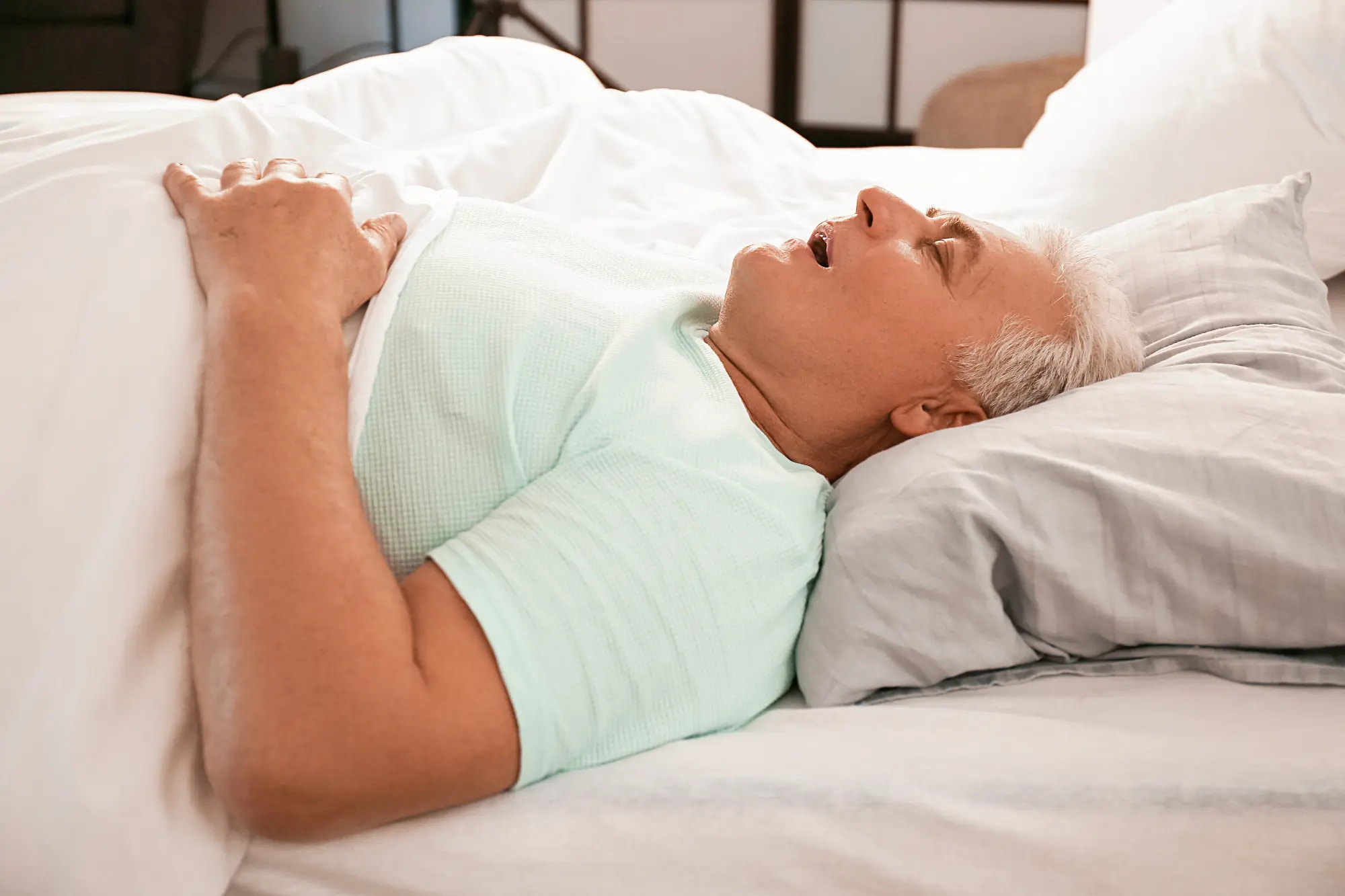
Obstructive sleep apnea (OSA) occurs when the airway becomes blocked during sleep, causing repeated interruptions in breathing. This condition can lead to loud snoring, restless sleep, fatigue, and even severe health complications like high blood pressure and heart disease.
What’s the connection to your jaw? Well, the structure and position of your jaw have a direct impact on your airway. Here’s how TMJ and sleep apnea are related:
- Jaw misalignment: A misaligned jaw can restrict airflow while you sleep, contributing to airway collapse.
- Muscle tension: Tense or fatigued muscles around the jaw and throat can make it harder to keep your airway open.
- Bruxism (teeth grinding): Often a symptom of both TMJ and sleep apnea, grinding can be the body’s unconscious way of trying to reopen a collapsing airway.
When both conditions occur together, they can worsen each other. TMJ causes disrupted sleep and clenching, while untreated sleep apnea can increase jaw tension and inflammation. Left unchecked, this cycle can lead to chronic pain, sleep deprivation, and serious health problems.
Signs You May Be Experiencing Both TMJ and Sleep Apnea
If any of the following symptoms sound familiar, it may be time to explore a comprehensive evaluation:
- Waking up with jaw soreness or stiffness
- Daytime fatigue or trouble concentrating
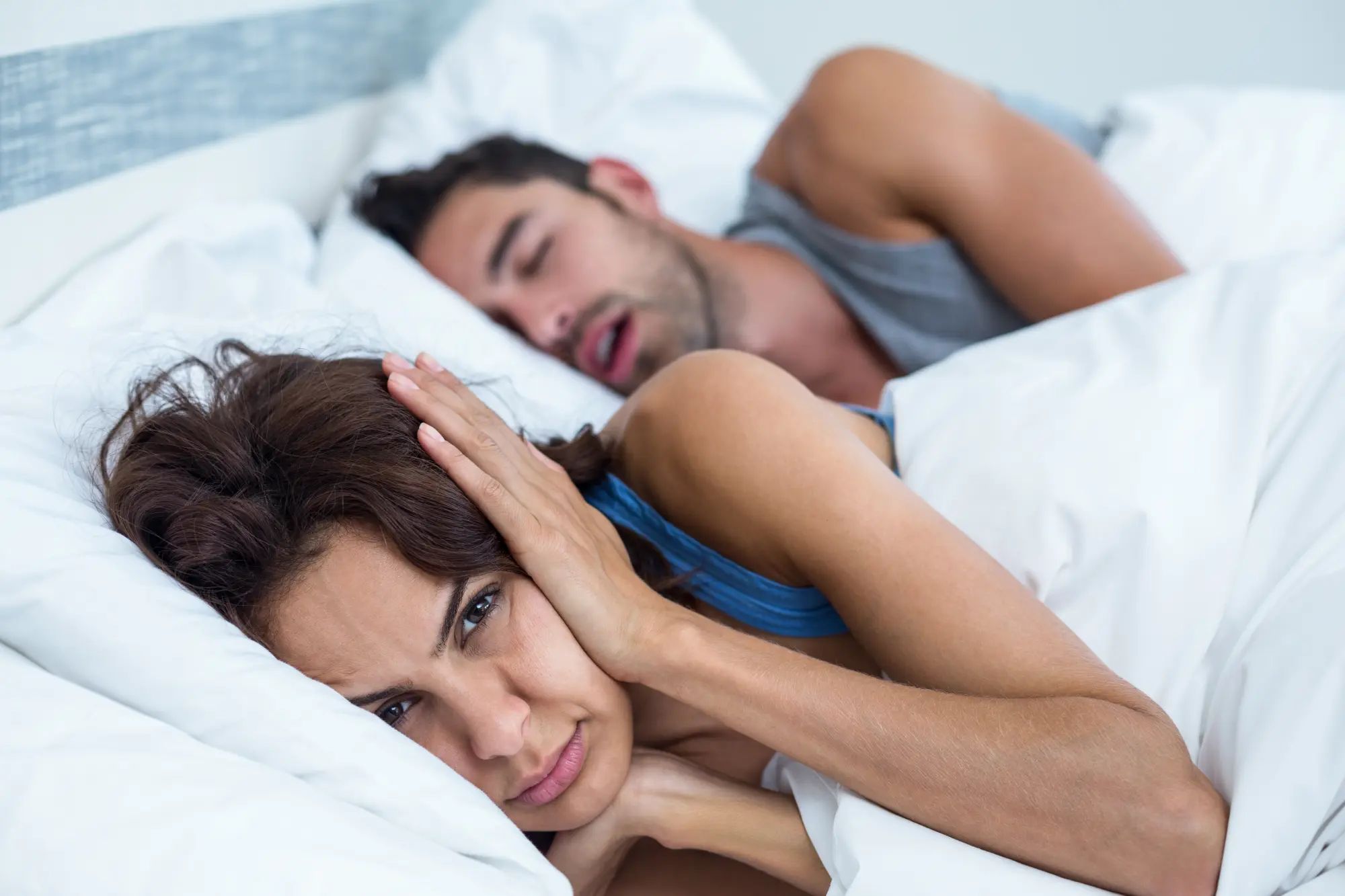
- Frequent snoring or gasping for air during sleep (reported by a partner)
- Frequent morning headaches
- Difficulty staying asleep or feeling rested
At Old Town Smiles, we look beyond the symptoms to uncover the root cause. Our award-winning dentists use digital imaging and zero-radiation scans to assess your jaw alignment and airway health during your initial 60-minute new patient session.
How We Diagnose and Treat TMJ and Sleep Apnea Together
The intersection of TMJ and sleep apnea requires a nuanced, medically informed approach. That’s why every patient at Old Town Smiles receives a personalized treatment roadmap, carefully tailored to their unique anatomy and comfort levels.
Advanced Diagnostics
We use state-of-the-art technology to ensure accurate, low-stress diagnosis:
- 3D Cone Beam Imaging to evaluate jaw structure and airway
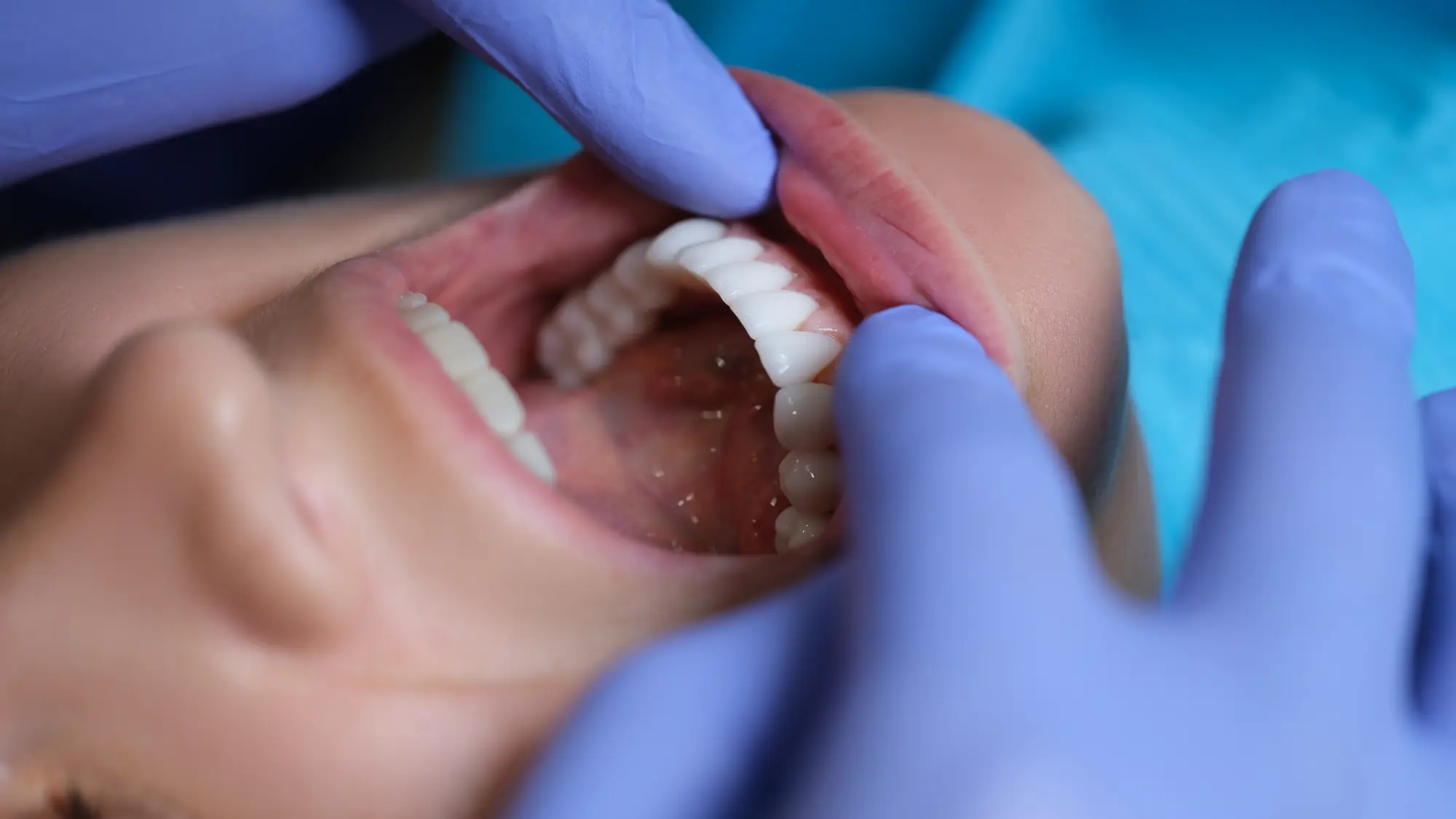
- Intraoral scanning for bite analysis and joint evaluation
- Partnership with sleep specialists for home or lab-based sleep studies
Custom Treatment Options
Depending on your needs, treatment may include:
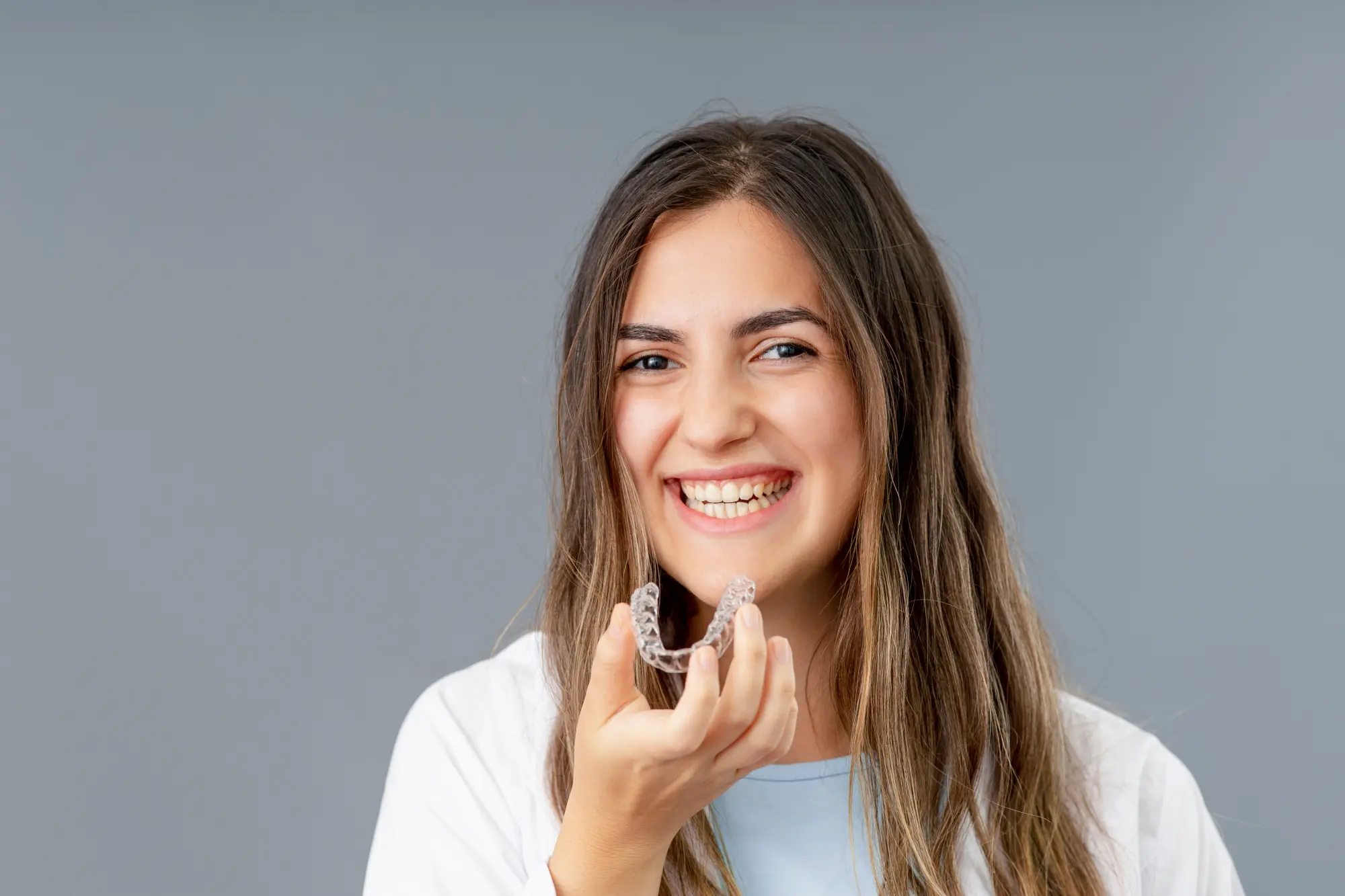
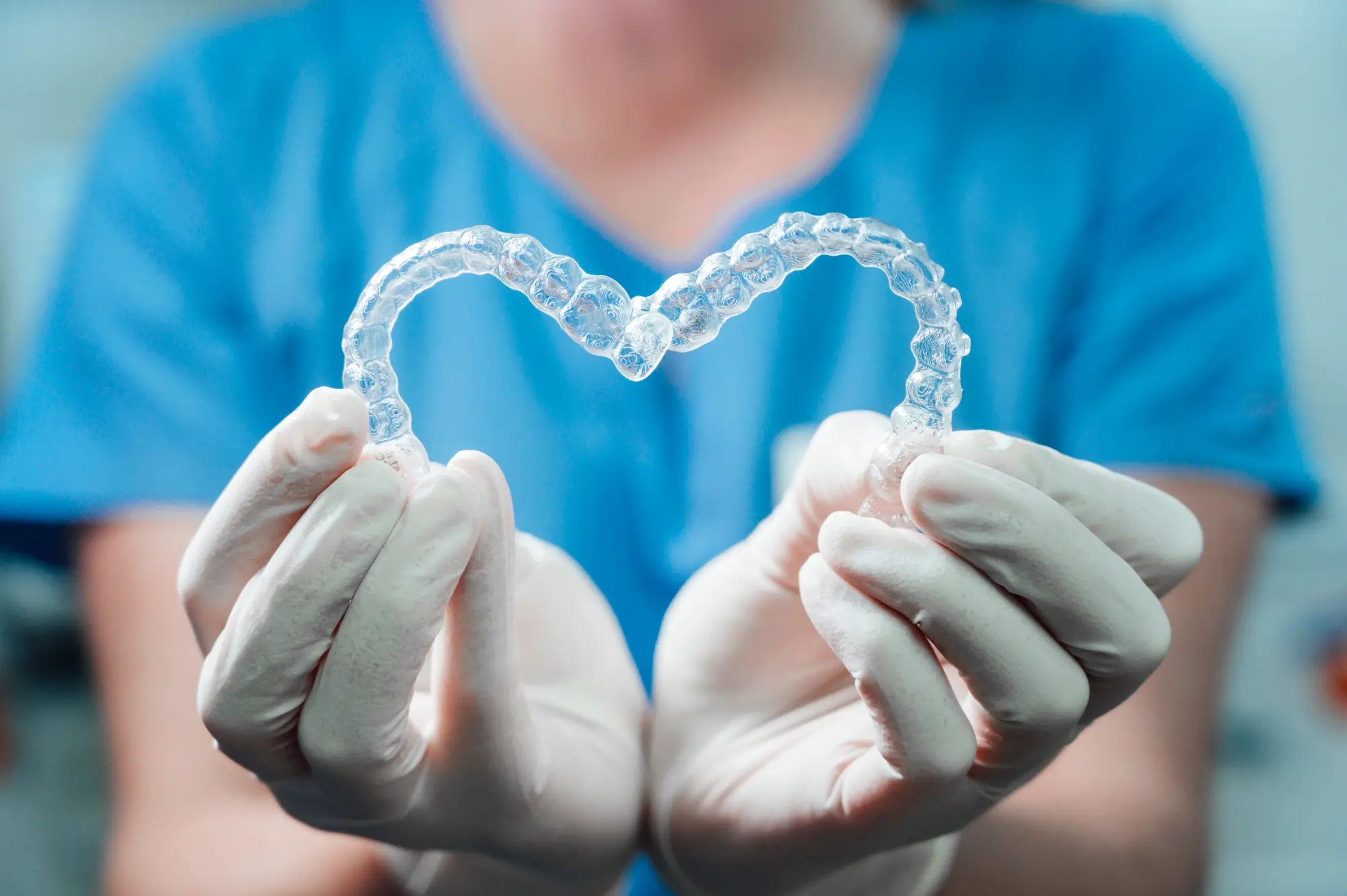
- Oral Appliance Therapy: A comfortable, custom-fitted device you wear while sleeping to reposition the jaw and keep the airway open.
- TMJ Therapy: Techniques such as bite adjustments, splint therapy, or physical therapy to relieve joint stress and correct alignment.
- Lifestyle and Behavioral Guidance: Strategies for better sleep hygiene, reducing nighttime clenching, and improving air flow.
Because both conditions are often interconnected, treating one of them can often improve or even resolve the other. Patients frequently report major improvements in sleep quality, mood, and daily energy after starting their integrated care plan.
Why Patients Choose Old Town Smiles
What sets us apart isn’t just our technology or accolades. It’s our total commitment to a personalized, anxiety-free experience. From the moment you walk through our doors in Alexandria, you’ll feel cared for in every detail:
- A dedicated 60-minute initial sleep consultation appointment that includes advanced imaging and treatment planning
- Access to a comfort menu with warm blankets, headphones, and aromatherapy to ease dental stress
- The support of Scotch, our certified therapy dog, who helps reduce anxiety for both adult and pediatric patients
Our team’s extensive experience and collaborative approach means you receive care that’s comprehensive and coordinated, especially for complex cases like TMJ-related sleep apnea.
Frequently Asked Questions
Can TMJ cause sleep apnea?
While TMJ does not directly cause sleep apnea, symptoms such as jaw misalignment and muscle tension can restrict your airway and contribute to sleep disruptions and breathing issues during sleep.
Is a CPAP machine the only treatment for sleep apnea?
No. For mild to moderate cases, especially those linked to TMJ, oral appliance therapy (OAT) may be a more comfortable and equally effective alternative. We’ll help determine what’s best for your needs.
How do I know if I need an oral appliance?
After a digital evaluation and (if needed) a sleep study, we assess whether a custom oral appliance can reposition your jaw to open the airway. Many patients find these devices easier to use at night compared to traditional CPAP machines.
Reclaim Rest and Relief, Starting Today
If jaw pain, disrupted sleep, or persistent fatigue are limiting your days and nights, it’s time to consider that these seemingly unrelated issues may actually be connected. At Old Town Smiles, we’re here to uncover those connections and guide you toward long-lasting relief in a setting that prioritizes your well-being and comfort at every step.
Call us today at (703) 836-7000 or schedule your first visit online. Discover how a truly personalized dental experience in Alexandria can help you breathe easier, sleep better, and smile more comfortably every day.



.jpeg)


